
Process Hazard Analyses
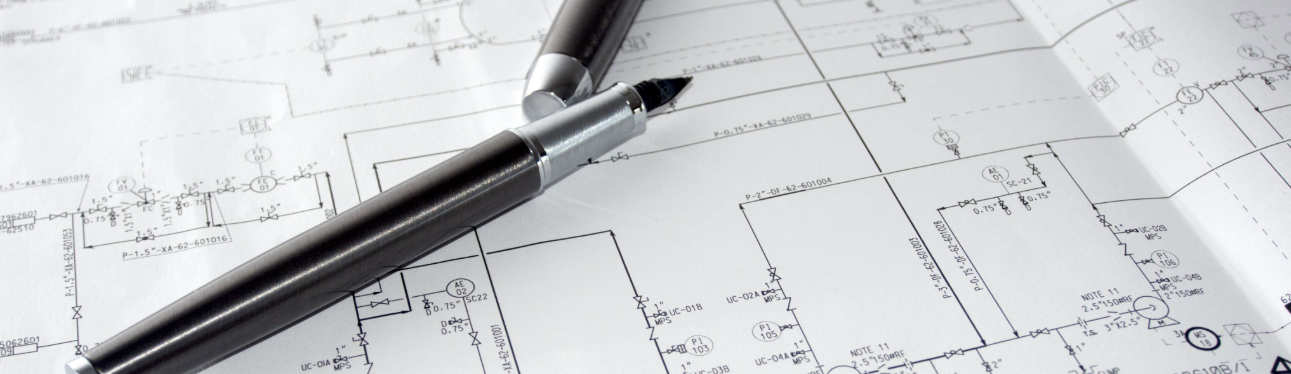
Process Hazard Analysis (PHA), a qualitative methodology required by OSHA and the EPA, stands as a cornerstone in the strategic management of risk for organizations and facilities dealing with hazardous materials or processes. Through systematic evaluations, PHAs meticulously unearth potential hazards within industrial processes, offering a critical foundation for risk mitigation. Identifying and comprehending these risks empowers organizations to proactively enhance safety measures, averting consequences that could lead to injuries, fatalities, property damage and more. The thoroughness of PHAs allows for the development of effective strategies to reduce the likelihood of adverse consequences.
Process Hazard Analysis Methodologies
Because no two processes or facilities face the same risk profile, PHAs can take many forms depending on the complexity of the operation, the stage of the lifecycle, and regulatory or corporate requirements. Common methodologies include Hazard and Operability (HAZOP) analyses and Hazard Identification Studies (HAZID) for systematic identification of process hazards. What-If/Checklist reviews are used for less complex or early-stage evaluations. Organizations also often apply more quantitative or semi-quantitative techniques, including Layers of Protection Analysis (LOPA), Safety Instrumented System (SIS) evaluations, and Safety Integrity Level (SIL) assignment and verification.
Moreover, teams apply other tools, including Failure Mode and Effects Analysis (FMEA), Fault Tree Analysis (FTA), Bow-Tie analyses, Dust Hazard Analyses (DHA), and reviews of reactive chemical hazards, as appropriate. These tools help teams fully understand hazards and properly design and document safeguards.
Effective PHA programs often combine multiple techniques. Additionally, focused training supports these programs and ensures consistent, high-quality results.
AcuTech PHA Services
Our consultants have the experience and expertise to both facilitate process hazard analyses and teach the methodologies (through training courses). We help ensure that your organization is well-equipped to navigate the complexities of handling highly hazardous materials. A well run PHA is an invaluable tool in process risk management. AcuTech has spent decades building trusted expertise across our organization to support your needs and get studies done right the first time.
- Hazard and Operability (HAZOP) Analyses
- Hazard Identification Study (HAZID)
- What-If/Checklist
- Layers of Protection Analysis (LOPA)
- Safety Instrumented System (SIS)
- Safety Integrity Level (SIL) Assignment & Verification
- Failure Mode and Effects Analysis (FMEA) and Fault Tree Analysis (FTA)
- Dust Hazard Analysis (DHA) Facilitation
- Review of Applicable Reactive Hazard Consequences
- Bow-Tie Analyses
- PHA Training – Essentials & Team Leader
AcuTech’s consultants are well versed in codes and standards developed by industry bodies and will refer to these as well as each client’s local jurisdiction codes and standards. The following section lists a sampling of the relevant codes and standards.
- OSHA Process Safety Management (PSM) Standard (29 CFR 1910.119). The Occupational Safety and Health Administration (OSHA) PSM standard is a comprehensive set of regulations in the United States that outlines the requirements for managing processes that handle highly hazardous chemicals. It mandates the performance of PHAs and the development of a process safety information system.
- EPA Risk Management Program (RMP) Rule (40 CFR Part 68). The Environmental Protection Agency (EPA) RMP Rule in the United States is designed to prevent chemical accidents and minimize their impact on the public and the environment. It requires facilities to conduct PHAs as part of the overall risk management program.
- International Electrotechnical Commission (IEC) 61511. IEC 61511 is an international standard that provides guidelines on the functional safety of safety instrumented systems (SIS). It includes requirements for conducting PHAs and determining safety integrity levels (SIL) for systems.
- Center for Chemical Process Safety (CCPS). CCPS, a part of AIChE, produces publications and guidelines focused on process safety, including PHA methodologies. The CCPS “Guidelines for Hazard Evaluation Procedures” is a widely used resource, as is the “Initiating Events and Independent Protection Layers in Layer of Protection Analysis.”
- ISO 31000: Risk Management – Guidelines. While not specific to the process industries, ISO 31000 provides general principles and guidelines on risk management. Organizations may use these principles when conducting PHAs as part of their broader risk management practices.
- NFPA 654: Standard for the Prevention of Fire and Dust Explosions from the Manufacturing, Processing, and Handling of Combustible Particulate Solids. The National Fire Protection Association (NFPA) 654 standard addresses the prevention of fire and dust explosions. It may be relevant in industries where combustible particulate solids are present, and PHAs are crucial for identifying and mitigating associated hazards.
- ISA 84 (IEC 61511) – Functional Safety. The International Society of Automation (ISA) standard ISA 84 (adopting IEC 61511) provides guidelines on the application of safety instrumented systems. It includes requirements for conducting PHAs and determining safety integrity levels.

Learn the key attributes of a successful Process Hazard Analysis (PHA) facilitator. Gain insights on effective PHA facilitation.